
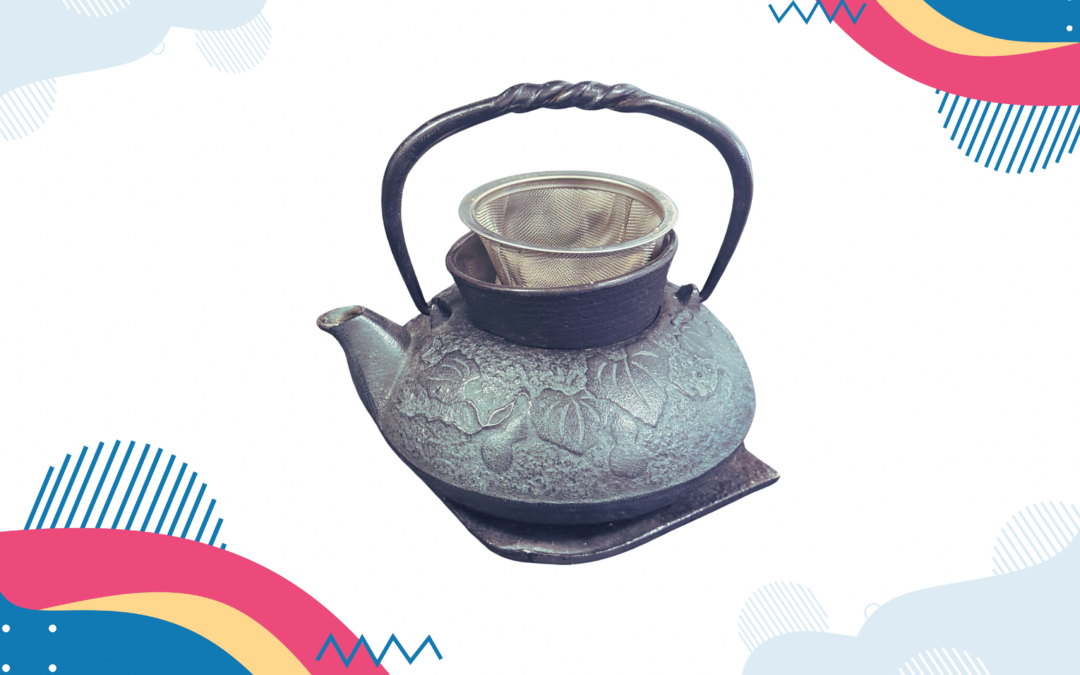
Like most people, I grew up drinking coffee as soon as my parents allowed me to drink it. I watched my Dad drink tea every night. He would drink Lipton tea or make a concoction of hot water, lemon and honey. I never liked the smell of tea and could not understand why he would drink it! Today, I love my tea and make all sort of concoctions when I can. Coffee with lots of caffein was a life saver for me through College because it enabled me to stay awake for hours and hours. I still drink coffee every morning, it’s an addiction as well as adding my half & half. I don’t really care what the doctors say about the cholesterol in half & half, I will never stop using this. It’s creamy fatty and delic! For me, I’m good, for others, you need to talk to your healthcare provider and see what they tell you. I’m not a doctor.
I did develop a love for tea. I drink mostly herbal teas. Mighty Leaf brand is my favorite! As long as I can add Honey to the tea I’m good to go! I don’t have a sweet tooth but I don’t really like strong teas. I prefer flavored ones with honey! I guess it’s my other addiction along with half and half, and ice cream, too bad!
I recently stopped in an Eritrean-Ethiopian Eatery in Sunnyside Queens. This place was small, very adorable and the people that worked there were amazingly nice. I sat at the bar around noon and ordered a delicious appetizer along with an amazing tea. I’m hooked! I drink
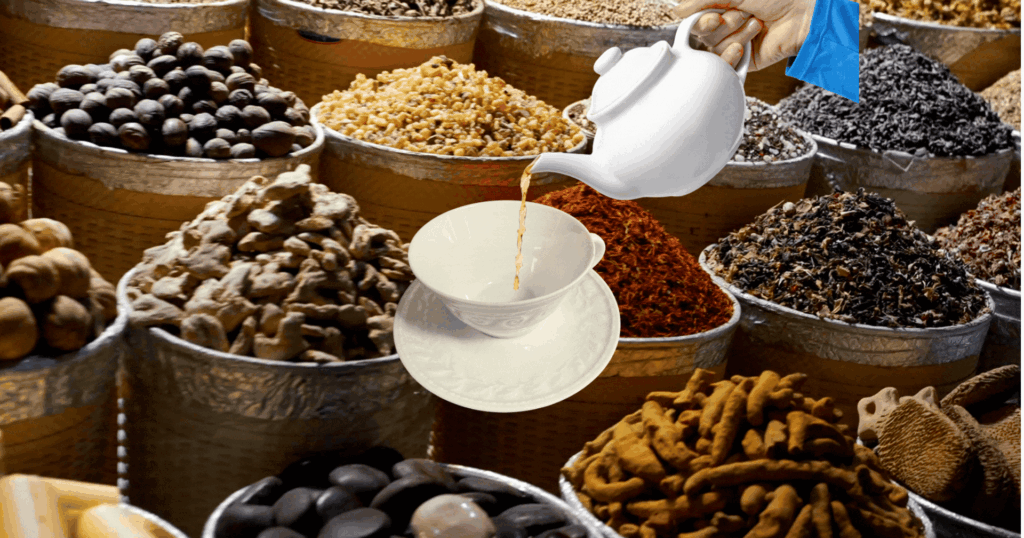
Key Characteristics of Ethiopian Tea
- Spiced Infusion: Unlike plain black tea, traditional Ethiopian spiced tea is boiled and simmered with a blend of whole or ground warm spices. [
- Common Ingredients: The brew typically combines black tea leaves with cardamom pods, cinnamon sticks, cloves, and fresh ginger. Regional or household variations may also feature nutmeg, fennel, black pepper, or star anise.
- Preparation: Spices and ginger are gently simmered in water until fragrant and deeply colored (often turning a rich reddish-brown), after which black tea is added and steeped, then strained and sweetened with sugar or honey.
- Tea Cultivation: While Ethiopia produces thousands of tons of black tea annually—primarily in the southern and southwestern forested highlands—traditional spiced tea blends or herbal tisanes remain a cornerstone of local hospitality.
-
Key Health Benefits of Tea
- Heart and Cardiovascular Health: Regular consumption of 2 to 4 cups daily is associated with a lower risk of heart disease, stroke, and high blood pressure. Studies note that tea can help improve blood vessel (endothelial) function and modestly lower LDL (“bad”) cholesterol and blood pressure.
- Brain Function and Cognitive Protection: Green and black teas contain a combination of caffeine and the amino acid L-theanine, which work together to improve alertness, focus, and calm mental states. Long-term studies also link regular tea drinking to a reduced risk of cognitive decline and dementia.
- Metabolic and Diabetes Support: Habitual tea intake is associated with a lower risk of developing type 2 diabetes. Compounds in green and oolong teas can also assist with fat oxidation and metabolic health.
- Cellular Protection and Antioxidants: Tea is rich in antioxidants that neutralize free radicals, potentially lowering the risk of chronic cellular damage and certain types of cancer. For instance, green tea’s EGCG (epigallocatechin gallate) and black tea’s theaflavins are widely studied for their cellular-protective traits.
- Bone and Dental Support: Regular tea consumption has been linked to better bone mineral density maintenance and potential oral health benefits, such as a lower risk of cavities due to altered mouth pH and natural fluoride content.
- Herbal Teas: Unlike true teas, herbal infusions (like chamomile, ginger, or peppermint) come from other plants and are naturally caffeine-free. Chamomile aids relaxation and sleep, while ginger and peppermint soothe digestion and nausea.
Potential Risks and Considerations of Tea
- Caffeine Sensitivity: Caffeinated teas contain less caffeine than coffee (roughly 30–50 mg per cup for green/black versus ~95 mg for coffee), but excessive amounts can still trigger jitters, anxiety, or insomnia.
- Iron Absorption: Tannins in tea can interfere with the absorption of plant-based (non-heme) iron if consumed right alongside meals.
- Temperature and Additives: Drinking tea excessively hot may increase the risk of esophageal damage and cancer. Loading your cup with heavy amounts of sugar, syrups, or cream adds unwanted calories and counters metabolic benefits.
- Heavy Metals and Medications: Certain teas can trace-absorb minerals or interact with specific prescription drugs (such as blood thinners or select herbal blends like St. John’s wort).
Tea originated in the borderlands of southwest China (specifically Yunnan province), Sichuan, and northern Myanmar, where the evergreen plant Camellia sinensis first grew wild.
Key Milestones in Tea Origin and History
- Legendary Discovery (2737 BCE): According to Chinese tradition, Emperor Shen Nong first discovered tea when leaves from a Camellia sinensis tree blew into his boiling water.
- Early Medicinal Use: For centuries, tea leaves were chewed or brewed as a medicinal tonic and sometimes consumed as a vegetable or mixed with grain porridge during the Shang and Han dynasties.
- Cultural Formalization (Tang Dynasty, 618–907 CE): Tea transitioned from medicine to a social beverage, culminating in Lu Yu’s famous text, the Classic of Tea (Cha Jing).
- Global Expansion:
- Asia: Buddhist monks brought tea and seeds to Japan and Korea, giving rise to traditional tea ceremonies.
- Europe: Portuguese and Dutch traders introduced tea to Europe in the 16th and 17th centuries, after which the British East India Company commercialized production in India and Sri Lanka.