
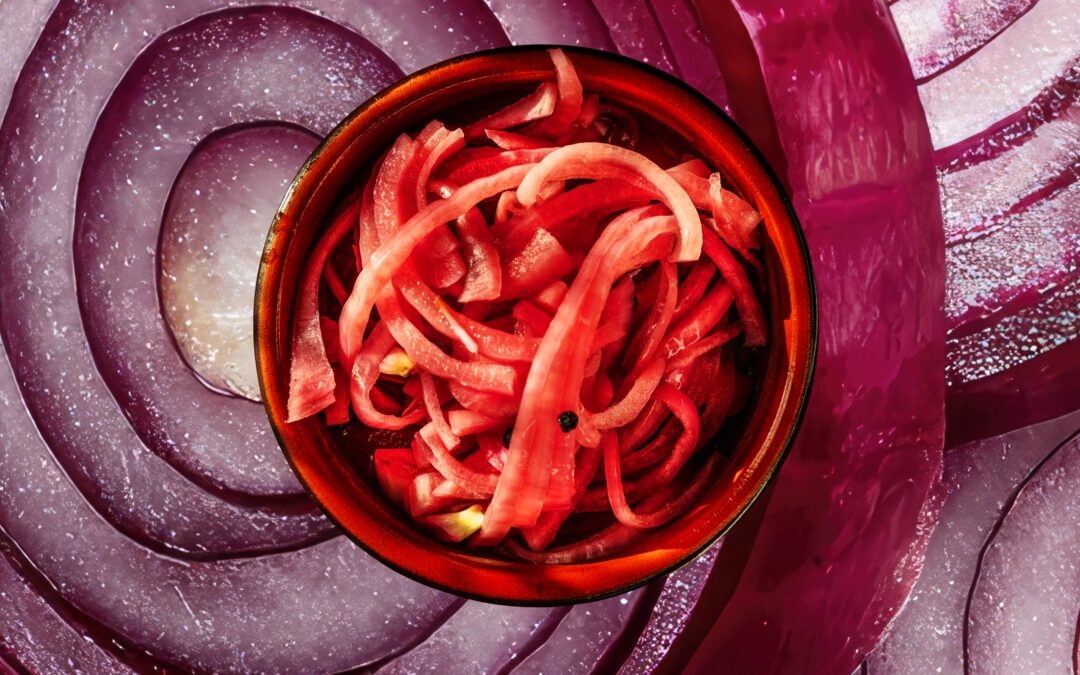
Pickled Onions, Veggies, anything Pickled!
I don’t know about you but, every time I turn on a food show, they are talking about and preparing something pickled. I personally have not pickled anything and don’t plan on it. I do like some pickled foods but I rather have someone else do the work. I’ll stick to the baking and cooking! I guess as they call you a senior, we we have enough experience to know what we should prepare and what we should leave to others! I love eating foods from other countries and love others cooking for me. Show me the Goodies!
As I do research online, the posts are telling me to eat pickled foods if I have certain ailments, I don’t have ailments. Then, in the same paragraph, it tells you why you should be careful eating pickled foods because it causes issues in people that have certain health problems. So, Which is it? Good or Bad for you? My suggestion is reach out to your doctor and let him tell you what’s best. I’m not a health professional!
Pickling
 Pickling is the process of preserving or extending the shelf life of food by either anaerobic fermentation in brine or immersion in vinegar. The pickling procedure typically affects the food’s texture and flavor. The resulting food is called a pickle, or, if named, the name is prefaced with the word “pickled”. Foods that are pickled include vegetables, fruits, mushrooms, meats, fish, dairy and eggs.
Reference: https://en.wikipedia.org/wiki/Pickling
Ancient history
Pickling with vinegar likely originated in ancient Persia and Mesopotamia around 2400 BCE. There is archaeological evidence of cucumbers being pickled in the Tigris Valley in 2030 BCE. Pickling vegetables in vinegar continued developing in the Middle East region before spreading to the Maghreb, Sicily, and Spain. From Spain, it spread to the Americas. Fermented salt pickling reportedly originated in China.
Textual and archaeological evidence shows that food preservation by salting and pickling was practiced in the Greek and Roman world. Reference: Reference: https://en.wikipedia.org/wiki/Pickling
Age of Exploration
Pickling was used as a way to preserve food for out-of-season use and for long journeys, especially by sea. Salt pork and salt beef were common staples for sailors before the days of steam engines. Although the process was invented to preserve foods, pickles are also made and eaten because people enjoy the resulting flavors. Pickling may also improve the nutritional value of food by introducing B vitamins produced by bacteria.
Reference: https://en.wikipedia.org/wiki/Pickling
Bon Apetit Recipe
Reference: https://www.bonappetit.com/recipe/quick-pickled-onions?utm_source=firefox-newtab-en-us
Keep a jar in the fridge and add them to tacos, breakfast sandwiches, burgers, grain bowls, salads, or just some roasted vegetables. Their sharp bite mellows as they soak in the brine, while their signature crunch remains. The longer they sit, the more deeply flavored and vibrant they become—making them a simple make-ahead condiment you’ll reach for again and again.